


Crumb Wire

Chef Profile: 40Res’s Josh Raine on authenticity, innovation and what’s shaping his cooking

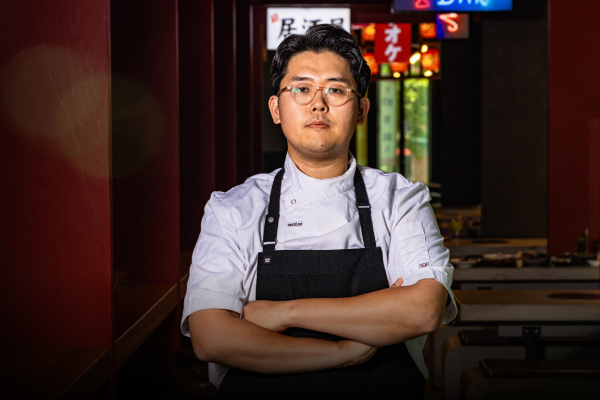
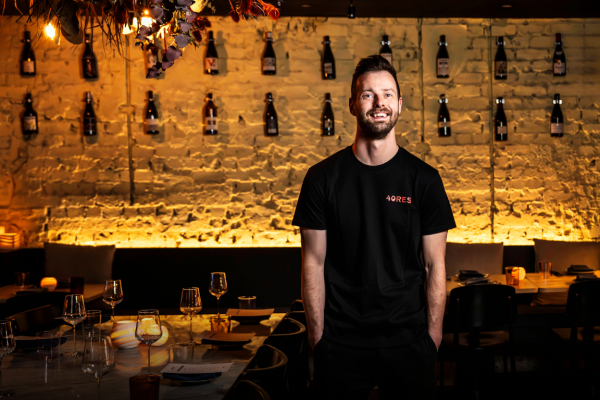
Josh Raine, former Executive Chef of Sydney’s Tetsuya’s and now chef-owner of Surry Hills wine bar 40Res, has carved a career across Michelin-starred kitchens in London, Hong Kong, Brisbane and Sydney. In this Crumb Wire Chef Profile, he reflects on his creative beginnings, the lessons learned from mentors like Shane Osborn, and why authenticity and seasonal produce define his cooking today. What first sparked your love for food, and how did you get your start in the industry? I’ve loved cooking from a young age, especially spending time in the kitchen with my mum. I originally thought I’d pursue a career in the arts-both my parents are creatives-but realised I could link my love of food with my artistic side. That connection between creativity and cooking is what really drew me in. What’s been your journey so far- from your first job to where you are now? My first job was dishwashing at a local butcher’s to earn some extra cash to support my skateboarding hobby. From there, I moved on to being a kitchen porter at a local pub. Watching the chefs at work lit a fire in me, and I decided to pursue a formal diploma in cooking after finishing school. Halfway through the course, I moved to the French Alps to cook during a ski season, which was an incredible experience – until I broke my collarbone. I’d planned to do another season in Canada, but the injury brought me back home. While recovering, I wrote to the top 10 restaurants in the UK asking for a chance. Le Manoir aux Quat’Saisons replied – and the rest is history. What have been some of your greatest achievements along the way? Being able to travel the world through food is definitely the biggest one. There’s something pretty special about being able to land in any country and cook. I’ve been lucky enough to work with some of the best chefs in the world and be part of incredible teams full of people who share the same passion and drive. Outside your own venues, what are your current favourite food spots? If I’m in Brisbane, you’ll find me at Essa-Phil Marchant is doing amazing things there. In Melbourne, I love Clover for its smoky, tasty food and great wine list. When I’m in Adelaide, it’s Bird in Hand, where Jacob Davey always looks after you. And in Sydney, it’s got to be Sixpenny-the food is next level, and the vibe is relaxed, which I really appreciate in a fine dining setting. Which chefs and cuisines inspire you the most, past or present? My biggest inspiration has always been Shane Osborn-he was the first Aussie to earn a Michelin star at Pied à Terre. He’s a great mentor, an even better teacher, and a good mate. He’s definitely shaped the way I cook and lead a kitchen. How do you think Australia’s food culture has evolved in recent years? The industry’s been through some really tough times, but what’s come out of it is amazing. We’re seeing smaller, independent restaurants make a real comeback, with chefs cooking what they genuinely love-outside the usual stereotypes or expectations. There’s more authenticity, more innovation, and that’s been really exciting to watch and be part of. Any exciting food trends you’ve tried at home – or sneaked onto the menu? Honestly, I tend to stay away from trends. I just cook what makes me feel happy. I’m a simple guy- give me a good bacon sandwich at home any day. At 40Res, it’s all about working closely with producers and suppliers, using the best seasonal ingredients and turning them into something delicious. That’s the beauty of a small restaurant-we’ve got the freedom to switch things up weekly based on what’s fresh and in season. And finally, what do you love doing when you’re not in the kitchen or at the venue? Walking the dogs, chilling with my fiancée, listening to vinyls-and, of course, having a few beers at my local, The Welcome in Balmain.

Read More

So cheesy: King Island Dairy and Heidi Farm dominate South Australian Dairy Awards

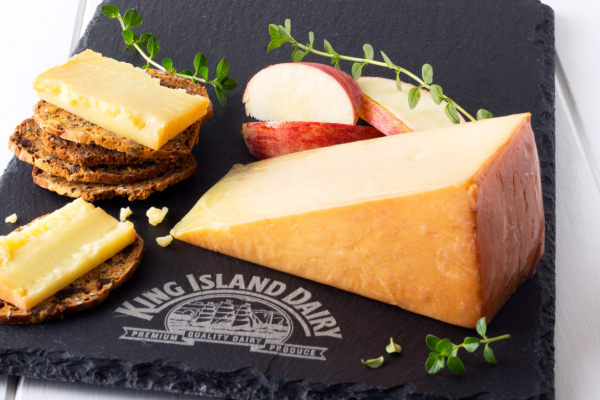
Australia’s oldest artisan cheesemakers, King Island Dairy, have dominated the South Australian Dairy Awards – Cheese category ahead of the Royal Adelaide Show, bringing home a whopping seven gold medals and the Champion Trophy for Best Hard or Semi-Hard Variety Other Than Cheddar, the exquisite Heidi Farm Tilsit. The Heidi Farm Tilsit also won gold for the Dairy, alongside the Heidi Farm Gruyere, Heidi Farm Raclette, Roaring Forties Blue, the Endeavour Blue, Black Label Double Brie washed rind, and already multi-decorated Stokes Point Smoked Cheddar. Surprise Bay Cheddar, Furneaux Decadently Creamy double cream style brie, and the Seal Bay Triple Cream brie nabbed Silver medals. These incredible wins follow a successful sweep of the Royal Tasmanian Fine Food Awards, where the 120-year-old dairy won five gold medals – of which four (Endeavour Blue, Black Label Double Brie, Stokes Point Smoked Cheddar, and Roaring Forties Blue) appeared in this list. This fortifies King Island’s tilt for even more outstanding results at this year’s premier dairy competition, the Australian Grand Dairy Awards, this October. “We’re beyond thrilled with these results,” says new Managing Director Nick Dobromilsky. “It goes to show that Australians still have a deep love for locally made artisan cheese, and we’re proud of the entire King Island Dairy family for achieving these monumental results.” King Island Dairy cheeses are renowned the world over: Stokes Point Smoked Cheddar won Champion Flavoured Cheese at the Dairy Australia 2024 Australian Grand Dairy Awards; the Furneaux Double Brie won the Bronze award in the 2024 Brie category at the World Championship Cheese Contest in Wisconsin, USA. King Island Dairy’s award-winning cheeses are available at Coles, Woolworths, and fine gourmet retailers.

Read More

Berry’s Sweetest Stop: How this Donut Van became a community icon

Nestled on the NSW South Coast, the Berry Donut Van has been perfuming the town’s main street with cinnamon sugar for more than 50 years. A roadside stop that’s outlasted countless food fads, it’s become as much a landmark as a pitstop, queues spilling down the street for a paper bag of hot, sugared donuts, straight from the fryer. But what makes the van more than just a cult snack is the woman at the helm, Teresa Nazareth, who has turned this legacy business into something bigger: a hub for nostalgia, connection, and community good. “Customers know they’ll be treated to a warm, freshly made donut, friendly service, and that comforting feeling of returning to a place that’s kept its unique charm,” says Nazareth.  “It’s become a favourite stop for families, friends, loyal locals, and visiting tourists. We feel incredibly fortunate to be part of so many traditions – whether it’s a weekend ritual or a family road trip stop passed down through generations.” A recipe unchanged The donuts themselves remain untouched by time. Still made to the original family recipe from more than 55 years ago, they hit that magic balance: crunchy on the outside, fluffy on the inside, and rolled in the van’s signature cinnamon sugar blend. They’re always cooked to order, still hot enough to burn eager fingertips if you don’t wait and Teresa knows that consistency is exactly why they’ve become a ritual. “It’s the same goodness that keeps customers coming back time and time again,” she says. “That tradition is at the heart of what we do.” “While our famous cinnamon donuts are most certainly the highlight, we also offer other crowd favourites like coffee, milkshakes, hot dogs, and smoothies, so there’s something for everyone. It’s become a favourite stop for families, friends, loyal locals, and visiting tourists,” she adds. Giving back to the community In recent years, the Berry Donut Van has become a vehicle for more than sweet cravings. Teresa has used the platform to raise money and awareness for causes both local and national, from Greyhound Rescue to the McGrath Foundation. “We look for causes that truly align with our values – those that make a real, positive impact and reflect what matters most to us,” Teresa explains. “Sometimes it’s a local issue close to our community and other times it’s a larger campaign where we can help raise awareness.” One partnership hit especially close to home: teaming up with Jeans for Genes, where a portion of sales went to support children’s health research. “As a mum, that’s something I’m really passionate about,” she says. A tradition that spans generations The van’s impact is best measured not in dollars, but in memories. Teresa is often reminded how deeply it’s woven into people’s lives. “What stands out most is hearing from customers who grew up coming to the van and now bring their kids and even grandkids to share the same experience,” she says. “That loyalty and nostalgia really remind us how special the van is to the community.” What’s next for the van? The future, Teresa hints, is about to get even sweeter. “We’ve got something really exciting planned for 2026 – an entirely new chapter that will take the Berry Donut Van to the next level,” she teases. “It’s still a secret for now, but trust me, it’s going to be big.” For now, the van remains what it has always been: a simple white trailer, a puff of cinnamon-scented steam, and a place where a $2 donut is worth the drive.

Read More

Chef Profile: Jacob Lee on lessons from Michelin kitchens and finding a home at Miji Bar & Grill

From Seoul to New York and now Sydney, Chef Jacob Lee’s journey has shaped him into Executive Head Chef at North Sydney’s Miji Bar & Grill. Along the way, he’s learnt the discipline of fine dining, the value of creativity, and why Australia’s mix of produce and cultures makes it such an exciting place to cook. What first sparked your love for food, and how did you get your start in the industry? My love for food began in a special cooking class in elementary school. It was my first time in a kitchen, and I was captivated by the experience of seeing people enjoy the food I made. This sparked a hobby of cooking simple dishes at home. When I was deciding on a high school, I discovered there was a culinary high school and realised I could turn my passion into a career. That’s when my professional journey truly began. What’s been your journey so far – from your first job to where you are now? My first job was a part-time kitchen position at a traditional Korean restaurant that a family friend owned while I was still in culinary high school. Throughout my studies, I consistently trained at various hotels and restaurants during school breaks. After graduating, I moved to New York to start my career as a professional chef at a one-Michelin-star Italian restaurant called A Voce. I later returned to Korea, where I worked at another Italian dining restaurant. My mentor, Chef Kang Min-goo, then gave me the opportunity to be a founding member of his new restaurant, Mingles, which is now a three-Michelin-star establishment. I worked there for about four years before becoming the head of the savoury department at Tartine Bakery, a famous sourdough bakery in Korea founded by Chad Robertson. Over five years, I gained diverse experience from fine dining to a casual café setting. I later opened my own small bistro, which I ran for three years before moving to Australia. I started my Australian career as a sous chef at Flying Fish and am now the Executive Head Chef at Miji Bar and Grill in North Sydney. What have been some of your greatest achievements along the way? There are two moments that stand out for me. First, during my time in New York, the restaurant was incredibly busy, serving over 200 guests every service while maintaining its one-star quality. To survive in that environment, I learned the critical importance of organisation, discipline, and how personal skill and equipment efficiency can make a huge difference in managing a kitchen. That period was foundational, teaching me the essential basics of what it means to be a chef. The second achievement was when I was working at Mingles in Korea. It was my first time in a fine-dining kitchen, so I had to adapt to a completely new style of service and workflow. As I grew, the restaurant was awarded its first Michelin star. The three of us who started the restaurant (the manager, the owner-chef, and myself) felt an immense sense of pride and joy seeing our hard work recognised. Outside your property/properties, what are your current favourite food joints? Sydney has so many great places to eat, especially with its diverse nationalities and local cuisines. I love Sang by Mabasa. Their daily-changing Korean menu is what I recommend to people who want to experience authentic, real Korean food. I also have a big sweet tooth and love ice cream. While I haven’t been to many places yet, Anita Gelato has been the most memorable and delicious one I’ve tried recently. Which chefs and cuisines inspire you most – past or present? Italian and Korean cuisine are my greatest inspirations. I began my culinary journey with Italian cuisine, and I found many similarities between the two – from the geographic environment of being surrounded by seas to the four distinct seasons and mountain ranges that create different regional styles. Both cuisines also use fermentation techniques. The process of building flavours in Italian cooking and then transitioning to creating flavours in Korean fine dining at Mingles has profoundly influenced my own cooking style. My biggest role model, both then and now, is Chef Kang Min-goo. His dedication, hard work, and values as a chef continue to be a huge source of inspiration for me. How do you think Australia’s food culture has evolved in recent years? I believe several factors contribute to the development of Australia’s food scene: the famous café culture, the diverse cuisines brought by immigrants, the excellent produce from Australia’s blessed natural environment, and the sophisticated palate of its customers. While I’ve heard that things have changed a lot since the pandemic, as they have everywhere, I’m confident that Australia’s food culture will continue to evolve naturally over time. Any exciting food trends you’ve tried at home – or sneaked onto the menu? I’m always looking for new ideas, whether it’s for my menu or just to experiment. I’ve been experimenting with using matcha not just in desserts, but also in savoury dishes. I’ve also been reinterpreting popular trends, like the viral Dubai chocolate, by using its flavour combinations in my own desserts. It’s not just about food, either. If an idea sparks my interest, I’ll brainstorm with the bar staff to see how we can incorporate it. It’s a great way to push creative boundaries and discover new pairings. And finally, what do you love doing when you’re not in the kitchen/at the venue? I try to spend as much time as possible with my family. My children are still young, and I know these precious moments won’t last forever, so I make them a priority. When I have some personal time, I really enjoy trail walking. I discovered a new walking course near Coogee Beach late last year and now I go at least once a month.

Read More

Chef Profile: Giulio Marchese on growing hand in hand with Italian Street Kitchen

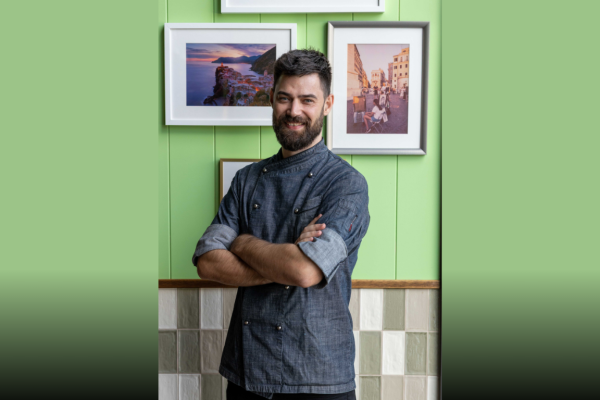
Giulio Marchese grew up in Italy surrounded by food – from his Nonna’s pasta to summers spent helping at his relatives’ osteria. Now Group Executive Chef at Italian Street Kitchen, he reflects on his path from commis chef to leading a national brand, the mentors and cuisines that inspire him, and how Australia’s food and drink scene has raised the bar in the 15 years he’s been here. What first sparked your love for food, and how did you get your start in the industry? Food has always been a part of my life since I was a kid! From Nonna’s kitchen, where every day she would be cooking some delicious meals, making homemade bread or homemade pasta, to my Mum baking biscuits or pizzas in our woodfire oven stove in the winter. Since the age of five or six, I would jump in to help them, as it was fascinating to me. My Aunty and Uncle also own an Osteria in the small village where I come from in Italy, and I would spend time there every day.  I was just 11 years old when I started helping out there during the summertime and so when I turned 14, I chose to go to hospitality school. What’s been your journey so far – from your first job to where you are now? I started as a commis chef at 17 years old, during a school break.  The Head Chef at that venue recommended me for a fine dining restaurant, where I worked for two years before moving to another fine dining restaurant, following the Chef from the last place. I moved to Australia at 22 years old for a sabbatical year, but ended up working the entire time.  My first job in Australia was also through a recommendation from the Head Chef that I was working with in Italy. I had a few other jobs during my working holiday visa until I got sponsored for permanent residency, after which I started working for Seagrass as the Head Chef for Italian Street Kitchen.  As the brand grew, I did too and now I’m the Group Executive Chef. What have been some of your greatest achievements along the way? The greatest achievement has been to be a part of growing Italian Street Kitchen into the solid group it is now. Another is becoming Group Executive Chef and being able to achieve all this in a country that doesn’t speak my mother tongue, Italian. I was really, really bad at English back in school, so this is a win.   Outside your property/properties, what are your current favourite food joints? I always love to try new restaurants/concepts, but lately my favourite food joints are Callao in Barangaroo, Sinclair’s in Penrith, Osteria Mucca in Newtown and R&B in Norwest. Which chefs and cuisines inspire you most – past or present? The Chefs that most inspire me are definitely the ones I used to work for and have mentored me, but also all the people I worked with, regardless of their rank; you can get inspired or learn from your juniors! As for cuisine, I have to ‘pay homage’ and go with Italian cuisine as the most inspiring for me, but being a chef, I’m always drawing attraction and inspiration from other cuisines like Fijian, Japanese and Mexican. How do you think Australia’s food culture has evolved in recent years? Well, it has evolved massively in the last 15 years that I’ve been living here. Now there is a lot of competition and the bar has been raised big time. People travel a lot overseas too, so they know nowadays when food is done properly or is a cheap, average reproduction. Any exciting food trends you’ve tried at home – or sneaked onto the menu? This will be going live soon in Italian Street Kitchen for a limited time – Dubai Chocolate Tiramisu! And finally, what do you love doing when you’re not in the kitchen/at the venue? Spending time with my family is the first on the list, but I also love cooking at home and going out to try new restaurants/food joints.

Read More

Sydneysiders: Here’s where to get your truffle fix before end of season

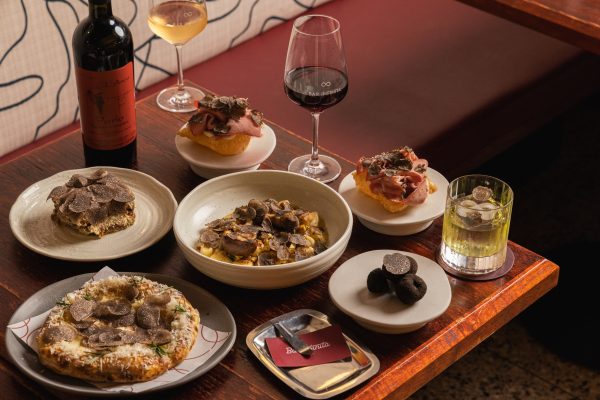
This year’s truffle season seems to have swept in at lightning speed and is somehow already on its way out. So, we’ve curated a list of Sydney’s best truffle menus and events for you to hit up before the nutty black beauties start to fade off all the ‘Specials’ boards. Bitton – Alexandria and Rose Bay Bitton’s bistros are leaning all the way into truffle season this August, with both its Alexandria and Rose Bay venues plating up decadent, limited-edition dishes every Thursday night until the end of August. Think Truffle Spatchcock Chicken Chasseur with pommes purée in Alexandria, or a Beef Cheek Pithivier with périgourdine sauce at Rose Bay. On 21 August, the celebration peaks with a one-off five-course truffle dinner – Gruyère gougères, scallops with grapefruit butter and summer truffles, a smoked chicken terrine, the signature beef cheek pithivier, and a dessert plate of truffle-spiked sweets. At $120 a head, it’s set to be one of the season’s most indulgent highlights. Bar Infinita – Gordon North Sydney favourite Bar Infinita has been serving up winter decadence since June, and there’s still a little time left to catch their truffle menu before the season wraps. Sourced from The Truffle Farm in Canberra, the black truffles are featured across four dishes and a drink: gnocco fritto with buffalo taleggio cream and truffled mortadella, a woodfired pizzetta dripping with parmesan fondue, house-made truffle gnocchi with porcini and chestnuts and a playful ‘Trufflemisu.’ Even the classic Negroni gets a little seasonal treatment with a truffle butter wash. “Working with truffles is always special. They bring depth and elegance to our dishes,” says Taran Tamana, Owner of Bar Infinita The menu is available daily until the end of the season. Sydney Common – The Sheraton Grand, Hyde Park Sydney Common at the Sheraton Grand Sydney is going all out to bid farewell to truffle season with a one-night-only truffle dinner on Wednesday, September 3. Head Chef Dylan Bennett (ex-Shell House, Bennelong) has designed a four-course menu that showcases winter’s most indulgent ingredient through a delicate truffle tartlet and spanner sourdough crumpet with creamy truffle spaghetti, striploin with citrus and kombu-salted fries and a final adieu to the fabulous fungi via truffle millefeuilles. “Truffle season marks one of the most anticipated moments on the culinary calendar, and we look forward to welcoming guests to Sydney Common for an evening of indulgence,” says Laura Wiersma, Director of Marketing at Sheraton Grand Sydney Hyde Park. At $195pp, Guests can expect to be wowed with a glass of NV Taittinger Brut on entry, before settling in for an evening that blends Sydney Common’s contemporary Australian-meets-Japanese style with the richness of fresh truffles. Capriccio Osteria and Bar – Leichhardt Truffles take centre stage with Capriccio Osteria’s $79 truffle tasting menu available until the end of August. Since 2015, the Italian Forum staple has been serving handmade pastas and wood-fired pizza under the direction of restaurateur Michele Rispoli. This winter, the spotlight is on Australian black truffles, folded through sauces, shaved over fresh pasta, and even churned into ice cream. The menu features a mac & cheese croquette stuffed with truffled bucatini, beef carpaccio with truffle aioli and shaved black truffle, a woodfired tartufo pizza layered with pancetta, porcini, and you guessed it – more shaved truffle, along with house-made fettuccine with truffle butter and pecorino. For dessert, there’s a truffle ice cream with hazelnut meringue, caramelised banana and crisp milk. Sydney-based food creator @phatlifeproject summed it up best when he said: “I don’t think it’s possible to be truffled out, but I came close with this menu. If you love truffles, you have to try out this menu at Capriccio.” Hello Auntie – Marrickville and Darling Square A Vietnamese twist on the mighty truffle? Yes, please! Chef Cuong Nguyen has built a menu that takes the earthy winter staple out of its usual French and Italian context and drops it into dishes like truffle pho with various cuts of meat immersed in 24-hour truffle beef broth, royal prawn noodles with Moreton Bay prawns and egg noodles and a luxe fried rice with scallop, corn and egg. There’s also a beef tartare with lotus root chips on offer, along with a rich truffle cheesecake for those with a sweet tooth. Semola – Marrickville Marrickville’s Selmola is serving up an indulgence worth dedicating poetry to, with a six-course menu built around fresh truffles from Manjimup, WA. Designed to share, the menu includes porcini truffle arancini and housemade focaccia with truffle butter, baked provolone with honey and walnuts, through to tagliatelle with confit egg yolk in truffle oil, and a crisp fried truffle gelato finished with salted caramel and Persian fairy floss. The $69pp menu can be paired with wines from Italian importer Il Mercante, with each course matched to a pour – picture prosecco with focaccia, nebbiolo alongside rich pastas, and moscato to finish on something sweet. Selmola’s truffle menu is available for a limited time only, with bookings essential. Two Sis & Co – Pyrmont If the fancy dinners aren’t your vibe and you fancy a spot of truffle for brunch instead, Pyrmont’s Two Sis & Co has you covered. Fine dining meets 11 am long blacks at this local favourite, giving truffle season a casual spin with limited-time dishes that bring the luxe ingredient onto everyday plates. Highlights include a black truffle pappardelle with wild mushrooms, pecorino romano and confit egg yolk, a decadent truffle unagi foie gras bowl over Japanese rice, and an egg truffle croissant layered with truffle mayo and cucumber salad. Blackstar Pastry – Multiple locations Black Star Pastry is giving truffle season a playful spin with a line-up that takes the delicacy well beyond the dinner table. Their seasonal range leans sweet as much as it does savoury. On the counter, you’ll find a truffle éclair with caramel and whipped ganache, a macadamia danish layered with praline and toffee, and a buttery quiche with mushrooms and truffle brie. For something heartier, their truffle…

Read More

Chef Profile: Celebrity chef Luke Mangan on a life shaped by food, focus and passing it on

Discipline from the old-school, inspiration from Asian cuisines and a love of growing food at home – Celebrity chef Luke Mangan opens up about the journey that’s kept him at the heart of Australia’s dining scene for decades. What first sparked your love for food, and how did you get your start in the industry? I grew up in Melbourne in a big family – one of seven boys! – where my mum was always cooking. She had this incredible way of bringing people together around food, and I think that’s what sparked it for me. But it wasn’t until I started washing dishes at 15 that I got a real taste for the energy of a working kitchen. That chaos, the camaraderie, the pressure, I was hooked. What’s been your journey so far – from your first job to where you are now? I started out in Melbourne at just 15 years old, doing my apprenticeship under Swiss chef Hermann Schneider at his iconic restaurant Two Faces in South Yarra. It was old-school, tough, and demanding, but it gave me the foundations I needed before heading overseas to broaden my experience. My first proper job was when I went to London to work under Michel Roux at the Waterside Inn. That experience changed everything for me. It taught me discipline, precision, and an understanding of ingredients. From there, I moved back to Sydney, worked at Hotel CBD and eventually opened my own restaurants. Since then, I’ve had the privilege of opening restaurants across Asia, on board cruise ships, in airports, by Sydney Harbour Bridge, Luke’s Kitchen and beyond. What have been some of your greatest achievements along the way? Cooking for Richard Branson on Necker Island was a standout! But honestly, launching ‘The Inspired Series’ to help inspire young hospitality talent has been one of the most meaningful things. Watching people build their careers from the ground up, just like I did, has been incredibly rewarding. Outside your property/properties, what are your current favourite food joints? I love keeping it simple when I eat out. I’m a big fan of China Doll, and Sean’s Panorama is always a classic! Mr Wong is always a go-to for its energy, service and those incredible dim sums. If I’m in Melbourne, it’s hard to go past Gimlet or Grill Americano. Which chefs and cuisines inspire you most – past or present? Michel Roux had a huge influence on me and that classic French training still underpins a lot of what I do. But I also draw inspiration from chefs like Nobu Matsuhisa; the way he blends cultures and flavours is genius. I’ve always been drawn to the elegance and simplicity of Japanese cuisine, as well as the boldness of Southeast Asian food. How do you think Australia’s food culture has evolved in recent years? It’s become so much more diverse and confident. There’s a new generation of chefs pushing boundaries, sourcing local produce, and celebrating regional stories. I think Australians are more adventurous now. They want to know where their food comes from and how it’s made. We’ve moved past trying to replicate overseas trends and into something that feels truly our own. Any exciting food trends you’ve tried at home – or sneaked onto the menu? Lately, I’ve been spending a lot more time in the garden, growing my own herbs, edible flowers, and a few vegetables. There’s something really satisfying about walking out back, picking fresh thyme or basil, and using it that same day in the restaurant. We’ve started incorporating more of our homegrown ingredients into the menus where we can, which adds a layer of freshness you just can’t replicate. And finally, what do you love doing when you’re not in the kitchen or at the venue? I love to travel and explore new places, especially through food. But when I’m home, I’m pretty chilled. I enjoy spending time at my farm, opening a good bottle of wine, and just switching off. That balance is important, even in this industry.

Read More

Fires, Families and Flavour: Why 1918 Bistro & Grill is the heart of Tanunda

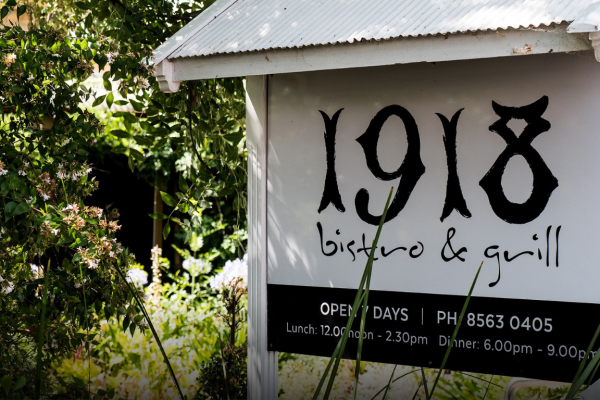
In the heart of the Barossa Valley sits 1918 Bistro & Grill, a century-old home turned dining destination. It’s hard to miss, with the iconic black and white street sign, which has become a marker for visitors driving through Tanunda.  Here, you’ll find roaring open fires through winter, while outside, Norfolk pines and lush gardens set the scene for relaxed alfresco meals or slow afternoons with family. Owners Sid and Tanya King spoke to Crumb Wire about their journey of acquiring the spot on a whim, moving countries to make it happen, and how they navigated the challenges to tourism posed by the pandemic.  “We first came to 1918 as guests when we were only about 21 years old. We’d just started dating and had come to the Barossa on holiday,” said Tanya King.  “And then fast forward 15 years, we’re married, we’ve got two kids, we’ve been in Dubai for seven years. I come home from work one day and Sid says to me – ‘Hey, 1918, is for sale.’ And I said to him – ‘Let’s buy it.’” And so they did. The Kings spent all of six months working out the formalities and moved to the South Australian town two weeks before taking the reins in 2015. 1918 – A history 1918 began life as a family home that housed a large family of nine. In 1992, Robert O’Callahan – best known as the founder of Rockford Wines – teamed up with a couple of his employees to transform it into a restaurant.  At the time, the Barossa had little in the way of dining beyond pubs and a couple of average restaurants. O’Callahan’s vision for 1918 was simple but game-changing: a place built on fresh, local, seasonal food. Not fine dining, but a genuine showcase of the region’s fresh, seasonal produce. “1918 has never been a pretentious venue,” explained Sid King. “It’s always been about relaxed dining and doing food well. After 33 years, I daresay it’s the granddaddy of the Barossa’s culinary scene. Now there are a lot of amazing restaurants in the Barossa and 1918 was the first.” Sid and Tanya King Old world charm, modern cuisine The establishment is one of the few notable restaurants in the Barossa Valley that isn’t attached to a vineyard or cellar door, but their love for local wines is reflected on the menu. “We’re a family-owned restaurant, so we want to support other guys that are on a smaller scale, and they’ll, in turn, support us,” said Sid.  “At 1918, we provide experiences, not just food. So when you come to the Barossa and you hear the stories of these boutique producers, where the owners of the wineries are making the wine themselves, it makes for an amazing storytelling experience.” 1918’s winter menu leans into richness and warmth, built around seasonal Barossa produce and the fire of the open grill. Entrées move from indulgent duck liver parfait with grenache jelly to kangaroo rubbed in coffee and cocoa, risotto nero with Goolwa pippis, or scallops in n’duja butter. Mains balance comfort and craft with pork served three ways, pan-roasted barramundi brightened with black vinegar, a Lancashire hotpot trio of lamb, or the decadent fish pie packed with smoked trout, eel, octopus and prawns. From the grill, there’s the wagyu eye fillet with brisket marmalade, or the show-stopping 1–2kg tomahawk steak carved at the table. Desserts span from lemon myrtle and honey crème brûlée to apple and rhubarb crumble, watermelon lime sorbet, or a trio designed for sharing. The restaurant is a community and tourist favourite for a reason and what’s even more impressive is how it bounced back from the dark days of 2020 that we collectively try not to think about. Five years on, Sid and Tanya looked back on the shock of the news. “It was an absolute shock when it happened,” said Tanya. “One day we’re open and the next day we’re closed and all we could think about was our fridge full of produce.” Lessons from the lockdown “That night, we drank so much wine, wondering what we’re going to do. We wallowed in that fear for the evening, then woke up the next morning and announced we’re open for takeaway – then when delivery was back on the cards, we jumped on that as well.” 1918 saw a lot of support from the community as well. “People would come in for their takeaway on a Saturday night, ask how business is going and tell us ‘we’re here to support you’,” Tanya reminisced.  The JobKeeper program helped cover staff wages and keep the business afloat, but while a normal Saturday once saw 60 to 80 takeaway orders, at the height of COVID that number dropped to around 10. “On the day restaurants were allowed to open doors again, they had set venue capacities to about 10 people. In South Australia, you weren’t allowed to even drink alcohol. So we put five tables on our lot and I ran in and out serving 20 people by myself,” Tanya said. “Every time restrictions eased, people jumped at the chance to go out again. From that point on, the momentum just kept building – strength to strength. We knew exactly how many we could seat, how to reset, and it all became second nature,” added Sid.  Ask Sid and Tanya what the best thing is about living in the Barossa, and they don’t miss a beat. “No traffic jams,” Sid laughs. “It takes ten minutes to get wherever you want to go.” Life in Tanunda, they say, is the sweet spot between small-town ease and international appeal. “It’s a small community, so it feels safe and friendly,” Tanya explains. “At the same time, Tanunda has just 4,000 people, but it’s always buzzing thanks to tourism. It’s not sleepy, not boring, there’s always something going on.” “You only have to walk down Tanunda’s main street to see how good we’ve got it – beautiful retail, wine bars,…

Read More

Profile: Namastey founder Ash Gera on bringing Indian craftsmanship to Australian homes

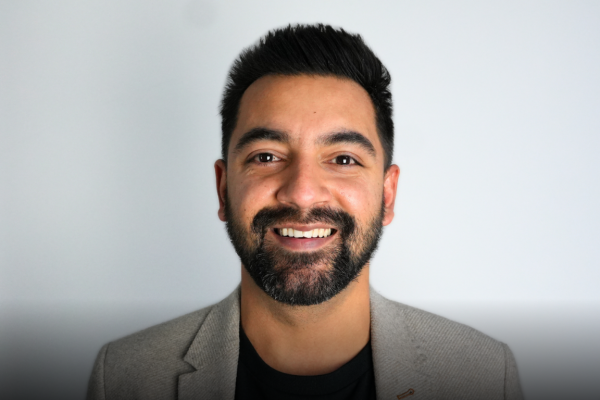
Akarshak (Ash) Gera is the founder of Namastey, a brand curating handcrafted copper, brass, and bronze kitchenware, along with a growing range of unique Indian handicrafts for Australian homes. With a background in B2B software sales and a deep connection to traditional craftsmanship, Akarshak works closely with ethical suppliers to bring authentic, artisan-made pieces to a new audience, blending heritage, health, and design in every collection. Tell us a bit about yourself – what’s your background and what led you to the world of food and drink? I grew up in Noida – part of Delhi’s National Capital Region, surrounded by the aromas, colours, and rituals of Indian home cooking. My professional background is in business-to-business software sales. I’ve worked with companies like Salesforce, MindBody, and Darktrace, and I still love the art of selling.  But my shift into the world of food-related products started unexpectedly, after watching a Shark Tank India pitch about the renewed interest in copper and brass. It sparked something familiar: memories of my grandparents using these vessels, not just for tradition’s sake, but for the health benefits they swore by. Curiosity took over. I researched market demand, pored over Etsy data, and learned that people were actively searching for these products. I saw an opportunity to bring this heritage to a new audience, blending nostalgia with modern design and everyday usability. Talk us through the journey of your brand. What have been some of the key achievements and challenges along the way? Namastey officially launched on 28 February 2025, but I started building it almost a year earlier. In just under six months, we’ve grown to over 1,500 Instagram followers, achieved a 10% repeat customer rate, and seen steady month-on-month sales growth. While copper and brass are where we began, Namastey is about more than metals. We source unique Indian handicrafts from ethical buyers – from hand-painted tea kettles to pieces that celebrate regional artistry – and our search for distinctive finds never stops. Each product is chosen not just for its function, but for the story it carries from the artisan’s hands to your home. The journey hasn’t been without challenges. Working with multiple suppliers means navigating different timelines, communication styles, and priorities. But it’s worth it when we find partners who share our values. How has the ANZ market responded to the brand and what has surprised you most?  The response has been really encouraging. Australians are increasingly drawn to products that feel authentic and have a story. Our copper water dispensers have been runaway bestsellers on both Etsy and Shopify, and our newly launched copper bottles are gaining interest fast. What’s surprised me most is how many customers buy our products not only for their health benefits but also as statement pieces for their dining or hosting setup. It’s exciting to see them appreciated as both functional and beautiful. One thing you wish more people knew about your work? Not all “pure copper” is truly pure, and that matters. Many businesses cut corners, selling cheaper alloys or claiming 100% copper when that’s not realistic (copper will always have trace elements like zinc or iron). Lab testing is the best way to confirm authenticity, and at Namastey, we’re transparent about our results. Another thing: not every brand is in it for the long haul. We want to be here 10, 15, 20 years from now, building genuine relationships with our customers, not just making a quick sale. How do you see food and drink culture in Australia evolving, and how does your brand fit in? Australian dining and hosting culture is becoming more global and story-driven. People want their tableware, serveware, and décor to reflect something meaningful – whether that’s cultural heritage, sustainability, or artisanal craftsmanship. Namastey fits into that by offering pieces that are as at home in a modern kitchen as they are in a traditional one. A copper jug on the bench, a hand-painted tea kettle on the shelf. They’re conversation starters, practical tools and little reminders of the craftsmanship still alive in the world. What keeps you inspired as a founder? Two things keep me going. First, the belief that putting customers first – really listening to their needs and going above and beyond, even if it means bending a policy now and then – will pay off in the long run. Second, I want to inspire others to take the leap into business. One day, when Namastey is established and thriving, I hope to help others turn their ideas into reality. What’s next for you and the brand? We’re refining our packaging, developing copper cleaning kits so customers have an easy way to care for their products, and exploring partnerships with yoga studios keen to stock our bottles. By the end of 2025, I’d love to double our current order count to reach 150 orders, not just as a sales target, but as a milestone in building a community around the brand. What do you like to do when you’re not at work? I am blessed with a wonderful wife, a four-legged best friend – our groodle, Coco, and a love for cricket that I indulge in whenever I can. Whether it’s a walk with Coco or a game in the park, those moments away from the screen help keep me balanced.

Read More

Monopole bows out as Bentley Restaurant Group prepares to launch Watermans in Barangaroo

With a final tip of its two hats, The Bentley Restaurant Group’s Monopole is preparing to serve its last dinner on September 6. But with one door closing, another is set to open as co-owners Nick Hildebrandt and Brent Savage gear up to launch Watermans in Barangaroo this October. The Bentley Restaurant Group is the team behind venues like Bentley, Yellow and Cirrus. “2025 has been a huge year for The Bentley Group. We started the year with the launch of Eleven Barrack and we’re ending the year back in Barangaroo with Watermans, right in time for summer,” says Nick Hildebrandt. Watermans will bring an Eastern Mediterranean focus to Sydney’s waterfront dining scene, led by executive chef Darryl Martin (ex-Barzaari). “The menu for Watermans is inspired by the cuisine of the Levant and highlights the best of Australian produce,” says Savage. “It has a strong emphasis on vegetable-forward dishes, and it’s been fun to collaborate with Darryl, whose cooking I’ve long admired.” The 120-seat restaurant sits within Lendlease’s One Sydney Harbour development, designed by Chris Grinham of H&E Architects with interiors by Pascale Gomes-McNabb, a long-time Bentley collaborator. Watermans will open daily for lunch and dinner, with an official date still to come. For Hildebrandt and Savage, the new opening marks a return to Barangaroo. Cirrus Dining, their two-hatted seafood restaurant, held a prominent spot there for eight years before closing last September. Meanwhile, Monopole’s story comes to a close after 12 years, first in Potts Point and later in the CBD. Originally a wine bar before its French relaunch last year, Monopole held two hats for a decade and won multiple awards for its wine list. “We are extremely proud of what we’ve achieved at Monopole, both in the original Potts Point location and the CBD – an enormous amount of talent has graced both the kitchen and the floor,” Hildebrandt and Savage said in a statement. “Monopole was a ground-breaking wine bar when we opened it and has always pushed the envelope, holding two hats for 10 years and winning multiple awards for its wine list. While we’re sad that the lease has finished, we will never say never for a Monopole in the future.” Monopole will run its final dinner service on Saturday 6 September, trading for dinners Tuesday to Saturday and Friday lunch until then.

Read More

Contact us

©2025- All Rights Reserved. Developed by Infutive Pvt. Ltd.