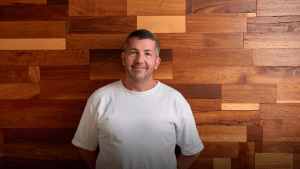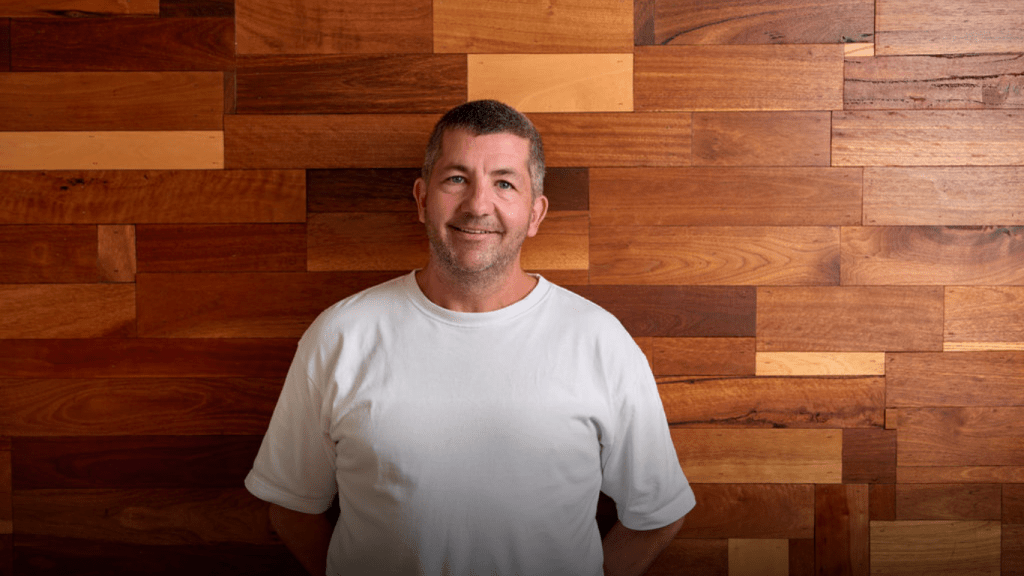




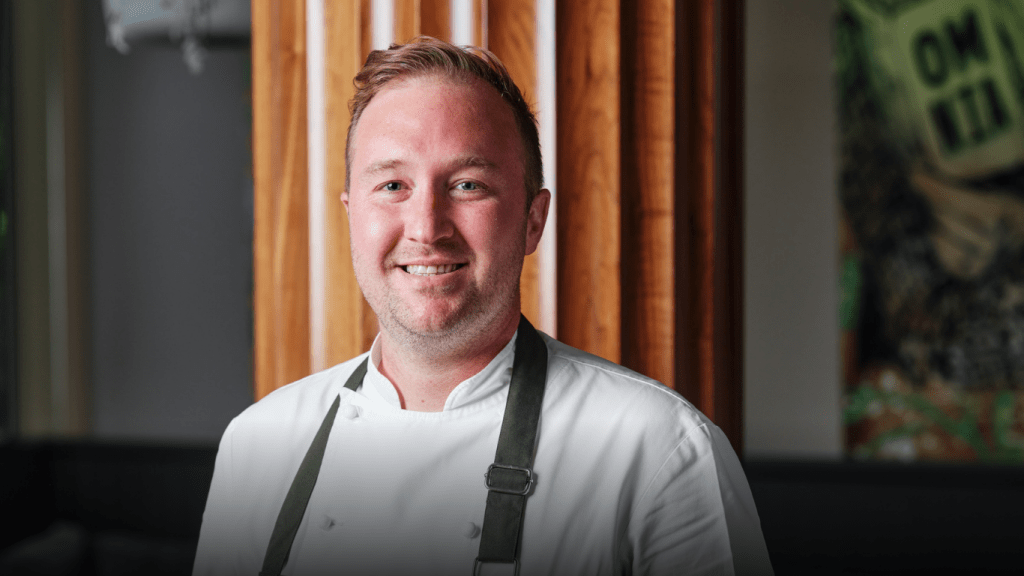
LK Hospitality Group Executive Chef Luke Headon grew up in Ballina, where curiosity about food and produce came long before a passion for the culinary arts. In this Crumb Wire profile, he reflects on the influence of great producers, lessons learned across Michelin-starred restaurants and the pursuit of balance beyond the kitchen.
What first sparked your love for food, and how did you get your start in the industry?
I grew up on a large farm, so a connection to produce was instilled in me from an early age. I was always curious about how the whole system worked – from growing ingredients to understanding what makes food truly delicious.
The cooking side came a little later, during my teenage years, when I became captivated by the energy and drama of a busy kitchen and the satisfaction of making great food.
What’s been your journey so far – from your first job to where you are now?
I began my career washing dishes at a local motel restaurant in Ballina, before completing my apprenticeship around Byron Bay. After finishing my formal training, I spent two years in Melbourne, gaining a taste for fine dining before moving to the UK. Over the next decade, I worked in several Michelin-starred restaurants, including The Fat Duck, Marcus Wareing, and Restaurant Story.
Returning to Australia in 2018, I spent time in Yarra Valley overseeing kitchens at Levantine Hill before opening Society Restaurant and Lillian Brasserie in Melbourne’s CBD. I’ve now been Group Executive Chef for LK Hospitality for the past 12 months.
What have been some of your greatest achievements and challenges along the way?
I’ve been fortunate to work alongside some incredible teams over the years and to share in moments of critical acclaim. But what I value most is seeing growth and development within my teams – helping someone become a better chef or leader feels like a truly meaningful achievement.
As for challenges, this industry is full of them. It’s easy to mention the obvious ones – COVID, staffing shortages, or the intensity of London kitchens – but they’re all part of the journey.
Finding balance between work and life has always been difficult; high-end kitchens can be all-consuming. I’ve become a little wiser about it over time, though it’s definitely still a work in progress.
Outside your property/properties, what are your current favourite food joints?
I recently had a great meal at Zareh in Collingwood – Tom is cooking with so much flavour, and the whole place just screams his personality and hospitality.
I’ve also been back to Suupa many times for their egg katsu sando. I just love how complete the brand is from start to finish.
Which chefs and cuisines inspire you most – past or present?
I’d describe myself as a produce-led cook. While there are plenty of chefs I admire, I get just as much inspiration from talking with great producers – fishermen, growers, and people like Oliver at Ramarro Farm who are constantly experimenting with new varieties. They’re the real heroes.
If I had to name someone, I’d say Eric and Tina Kragh Vildgaard who run Restaurant Jordnaer in Denmark.
How do you think Australia’s food culture has evolved in recent years?
I’m not sure Australia’s food culture is fully defined yet as it is still evolving, but dining habits have definitely shifted. Guests increasingly want to steer their own experiences rather than follow a set menu. Like it or not, red meat is back in a big way, and we’ve just gone through a “bigger is better” phase. But, like fashion, what’s out of style now will cycle back before long.
Any exciting food trends you’ve tried at home – or snuck onto the menu?
To be honest, my home cooking is pretty minimal. Professionally, I might be guilty of finding a home for caviar on almost any dish or menu. It really took off after COVID and people just can’t seem to get enough of it.
And finally, what do you love doing when you’re not in the kitchen/at the venue?
I like to get outside – in the garden or out of the city for a walk.
Find more food and drink features on Crumb Wire.