



Buying local matters to Aussies, but convenience is still king: YouGov study

Source: Supplied

Nearly half of Australians say buying local matters when grocery shopping, but price and convenience still decide what ends up in the trolley.

A YouGov study commissioned by retail technology company Shopfully found 49 per cent of Australians consider supporting local suppliers and small businesses important when buying groceries.


The findings show shoppers want more local and sustainable options, but they still expect those products to be easy to find, competitively priced and available through the supermarkets they already use.

Shopfully Australia country manager Brendan Straw said Australians wanted to support local producers, but those choices still had to fit within the realities of everyday life.

“Australians clearly have a strong affinity with local producers and small businesses, but conscious consumption still needs to work within the realities of everyday life.

“Shoppers aren’t necessarily looking to abandon the convenience of their local supermarket. Instead, they want more opportunities to choose local and sustainable products in the places they already shop. And larger retailers have the resources needed to accommodate this.”

One in five shoppers, or 21 per cent, said buying local was very important and that they consistently prioritised local products because they believed they were fresher or better quality.

Another 29 per cent said they would choose local products when they were easy to find and priced competitively.

Farmers’ markets and local markets are still part of the mix, with 24 per cent of shoppers buying groceries from them. The habit was most common among Australians aged 25 to 34.

Straw said farmers’ markets would continue to connect communities with local producers, but shoppers should not need to visit a separate destination to find products that reflected their values.

“Large grocery retailers have the reach, scale and existing customer relationships to bring more of these choices into the mainstream.

“By placing carefully selected local and sustainable products alongside familiar national brands, retailers can give shoppers greater choice without adding complexity to their routines.”

That could mean expanding beyond locally grown produce and Australian-made pantry staples to include organic products, shampoo bars, refillable household items and lower-impact cleaning products.

According to Straw, shoppers who currently visit markets or specialist stores for local honey, handmade soap or environmentally conscious cleaning products may be open to buying those items during a regular supermarket visit when the quality, origin and value are clear.

Affordability remains one of the biggest barriers.

The research found many Australians would choose local products when they were competitively priced and convenient, but even shoppers with strong intentions may struggle to justify paying a significant premium.

Straw said promotions, loyalty rewards and introductory offers could make local, sustainable and ethically sourced products easier to try.

“Temporary price reductions, multibuy offers and loyalty rewards could help lower the barrier for shoppers purchasing a product for the first time.”

Visibility also matters before customers reach the aisle. Straw said catalogues could introduce shoppers to locally made products, seasonal Australian produce and lower-waste household alternatives before they entered a store, while digital channels could provide more detail about the products.

The research found interest in local products was not limited to one demographic.

Australians were motivated by a mix of community support, product quality, environmental impact, convenience and price.

“The retailers that respond most effectively will speak to all of these motivations rather than treating conscious consumption as relevant to only one type of shopper.”

Shopfully says retailers that address all of those factors could make local and sustainable products a more regular part of the weekly grocery shop.

Expanding product ranges, supporting nearby suppliers and promoting those options more clearly could also help retailers stand out, strengthen ties with local communities and give shoppers another reason to visit.

Straw said Australians had already shown they valued local businesses and more responsible choices.

“The next step is to ensure those choices are available, affordable and visible wherever shoppers are planning and completing their purchases.

“This can benefit consumers and suppliers while also helping retailers differentiate their offer, strengthen community connections and give shoppers another reason to visit their stores.”

Source: Hotwire

Find more food retail updates on Crumb Wire.

Pallavi Mathur

pallavim9893@gmail.com

Pallavi Mathur is the founder and editor of Crumb Wire. She cut her teeth in PR before turning her lifelong passion for food into a full time gig. Pallavi brings readers a daily digest of what's hot in food and drink, covering restaurants, retail and features rooted firmly in food culture.

https://crumbwire.com/

Trending News

Editor's Picks

Buying local matters to Aussies, but convenience is still king: YouGov study

Nearly half of Australians say buying local matters when grocery shopping, but price and convenience still decide what ends up in the trolley. A YouGov study commissioned by retail technology company Shopfully found 49 per cent of Australians consider supporting local suppliers and small businesses important when buying groceries. The findings show shoppers want more local and sustainable options, but they still expect those products to be easy to find, competitively priced and available through the supermarkets they already use. Shopfully Australia country manager Brendan Straw said Australians wanted to support local producers, but those choices still had to fit within the realities of everyday life. “Australians clearly have a strong affinity with local producers and small businesses, but conscious consumption still needs to work within the realities of everyday life. “Shoppers aren’t necessarily looking to abandon the convenience of their local supermarket. Instead, they want more opportunities to choose local and sustainable products in the places they already shop. And larger retailers have the resources needed to accommodate this.” One in five shoppers, or 21 per cent, said buying local was very important and that they consistently prioritised local products because they believed they were fresher or better quality. Another 29 per cent said they would choose local products when they were easy to find and priced competitively. Farmers’ markets and local markets are still part of the mix, with 24 per cent of shoppers buying groceries from them. The habit was most common among Australians aged 25 to 34. Straw said farmers’ markets would continue to connect communities with local producers, but shoppers should not need to visit a separate destination to find products that reflected their values. “Large grocery retailers have the reach, scale and existing customer relationships to bring more of these choices into the mainstream. “By placing carefully selected local and sustainable products alongside familiar national brands, retailers can give shoppers greater choice without adding complexity to their routines.” That could mean expanding beyond locally grown produce and Australian-made pantry staples to include organic products, shampoo bars, refillable household items and lower-impact cleaning products. According to Straw, shoppers who currently visit markets or specialist stores for local honey, handmade soap or environmentally conscious cleaning products may be open to buying those items during a regular supermarket visit when the quality, origin and value are clear. Affordability remains one of the biggest barriers. The research found many Australians would choose local products when they were competitively priced and convenient, but even shoppers with strong intentions may struggle to justify paying a significant premium. Straw said promotions, loyalty rewards and introductory offers could make local, sustainable and ethically sourced products easier to try. “Temporary price reductions, multibuy offers and loyalty rewards could help lower the barrier for shoppers purchasing a product for the first time.” Visibility also matters before customers reach the aisle. Straw said catalogues could introduce shoppers to locally made products, seasonal Australian produce and lower-waste household alternatives before they entered a store, while digital channels could provide more detail about the products. The research found interest in local products was not limited to one demographic. Australians were motivated by a mix of community support, product quality, environmental impact, convenience and price. “The retailers that respond most effectively will speak to all of these motivations rather than treating conscious consumption as relevant to only one type of shopper.” Shopfully says retailers that address all of those factors could make local and sustainable products a more regular part of the weekly grocery shop. Expanding product ranges, supporting nearby suppliers and promoting those options more clearly could also help retailers stand out, strengthen ties with local communities and give shoppers another reason to visit. Straw said Australians had already shown they valued local businesses and more responsible choices. “The next step is to ensure those choices are available, affordable and visible wherever shoppers are planning and completing their purchases. “This can benefit consumers and suppliers while also helping retailers differentiate their offer, strengthen community connections and give shoppers another reason to visit their stores.” Source: Hotwire Find more food retail updates on Crumb Wire.

Whittaker’s and LoDe unveil a limited-edition Berry Biscuit menu

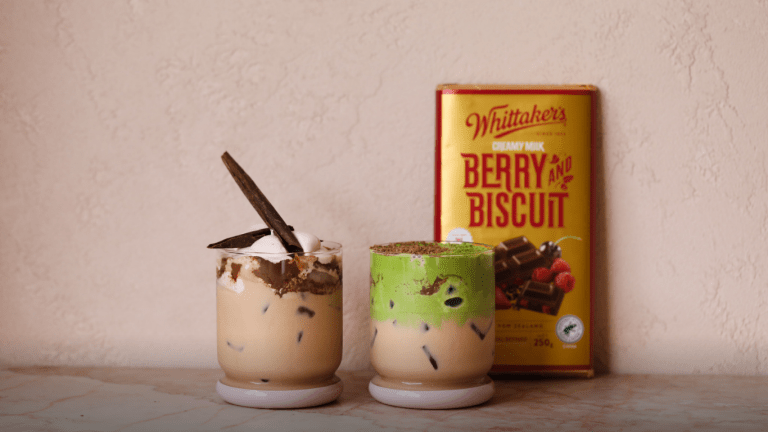
Whittaker’s is taking over LoDe Surry Hills for a two-day chocolate pop-up celebrating its new Berry Biscuit block. Café Whittaker’s will run on July 24 and 25, with LoDe turning the new flavour into a limited-edition line-up of pastries and drinks. Berry Biscuit combines Whittaker’s Creamy Milk chocolate with tangy berry pieces and crunchy cocoa biscuit. “Launching it through our Café Whittaker’s activation with the incredibly talented team at LoDe felt like the perfect way to introduce the new block,” said Whittaker’s co-COO Holly Whitter. “It’s a fun, immersive experience that gives Chocolate Lovers the chance to enjoy the flavour in an entirely new way.” The Café Whittaker’s menu includes: Whittaker’s Double Trouble Cookie – $8 Berry Bomb Bombolone – $8 Berry Biscuit CruWin – $12 Chocolate Lover Cakelet – $12 Berry Biscuit Hot Chocolate – $6.50 Berry Biscuit Iced Chocolate – $7.50 Berry Bliss Matcha – $9 The collaboration sees LoDe’s signature pastries and drinks reworked around the new chocolate block, giving the team the chance to turn the flavour into baked goods and drinks beyond the supermarket shelf. LoDe founder Federico Zanellato said the takeover gave the bakery a chance to play with the new flavour while showing off what its team does best. “We loved the idea of turning LoDe Surry Hills into Café Whittaker’s for a couple of days,” he said. “Collaborations like this give us the chance to have a bit of fun while showcasing what our team does best, taking great ingredients and transforming them into pastries and baked goods that people hopefully haven’t experienced before.” Café Whittaker’s will open at LoDe, 487 Crown St, Surry Hills from 8 am on July 24 and 25, with the menu available until sold out each day. Find more food and drink news on Crumb Wire.

Bulldogs’ Bontempelli joins push to deliver three million breakfasts

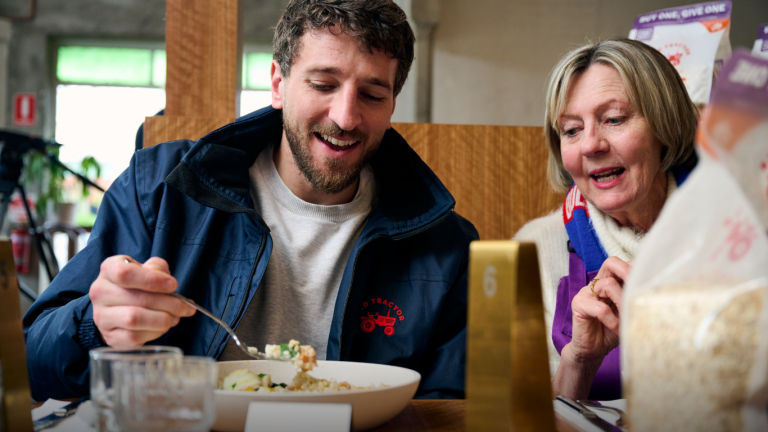
Red Tractor, ALDI Australia and Foodbank are aiming to put three million breakfasts on the table for Australians facing food insecurity through the return of the Buy One, Give One campaign. From July 20, every 1.6kg bag of Red Tractor oats purchased as an ALDI Special Buy will trigger the donation of another 1.6kg bag to Foodbank. AFL’s Western Bulldogs captain Marcus Bontempelli is also backing the campaign through his Melbourne cafe, Arthur’s Milkbar. The venue has added two limited-time oat dishes to the menu, with Crème Brûlée Porridge and Savoury Garlic Oats available until August 2. Each bowl purchased will result in another 1.6kg of oats being donated to Foodbank. “Growing up, brekkie was a big deal in our house. It’s where we made sure we started the day on the right foot as a family,” Bontempelli said. “When I think about Aussies who aren’t able to do something as simple as have a bowl of oats for brekkie, it really hits home. That’s why I’m getting behind this campaign, it makes it so simple to make a real difference for someone that needs it. “If you’re heading out to do the groceries over the next two weeks, make sure you head to ALDI and pick up a bag of Red Tractor oats. And if you’re in Melbourne, pop into Arthur’s. I’ve been trying to get Crème Brûlée on the menu for a while so you might spot me down there tucking into a bowl!” Rising demand The campaign returns as demand for food relief continues to climb. Recent Foodbank data found 47 per cent of Australians found it harder to put food on the table in June than they did the month before. Foodbank’s latest annual Hunger Report also found one in three Australian households were unable to afford nutritious food, skipping meals or going entire days without eating. “As Australia’s largest food relief charity, our partnership with Red Tractor and ALDI is vital, not only in terms of helping us provide nutritious meals to those in need, but also as an enabler for us to raise awareness of the quite astonishing need across the community,” said Foodbank Australia CEO Kylea Tink. “For many it can be tempting to assume food insecurity is an issue that affects those at the margins of our society. Yet our most recent annual Hunger Report showed one in three households in Australia are either unable to afford nutritious foods, or are skipping meals or entire days of eating. “In one of the most successful economies in the world, this rate of food insecurity should be completely unacceptable, yet as of today it is systemic and endemic.” Now in its third year, Buy One, Give One turns the purchase of an everyday breakfast staple into direct support for households doing it tough. Red Tractor CEO Andrew Loader said, “Two years ago, we set out to help feed Australian families through the simple act of buying a bag of oats.” “Today, Buy One, Give One is in its third year, and the need has never been greater. “Each bag of Red Tractor oats bought at ALDI is a direct way for Australians to help someone in their community doing it tough, and we couldn’t be prouder to keep building on the impact we’ve made together.” The donated oats will be distributed through Foodbank’s national network and into pantries across the country during winter. “Buy One, Give One allows Foodbank to move oats around the country and into the pantries of people in need in time for winter,” said Tink. “We couldn’t be more grateful to Red Tractor and ALDI for supporting Foodbank and Australian families, and we encourage oat lovers to head into ALDI and pick up their Red Tractor oats.” ALDI Australia buying director for breakfast Ben Jacobs said the campaign turns an everyday grocery purchase into practical support for families. “Breakfast is something many of us can take for granted, but for households facing food insecurity, a pantry staple like oats can help provide a nutritious start to the day,” he said. “Through this initiative, ALDI customers can play a simple but meaningful role in helping Foodbank reach more Australians this winter.” Red Tractor’s 1.6kg oats are priced at $5.99 and available at ALDI stores nationwide as a Special Buy from July 20, while stocks last. Source: Zonnios & Hunt Find more food retail updates on Crumb Wire.
Treasury Wine Estates launches Australia’s first wine creator community

Treasury Wine Estates is launching Australia’s first always-on wine creator community, House of Winefluence, with community-driven influence company Social Soup this August. The 12-month program will bring together more than 200 creators to produce monthly content for Squealing Pig, Pepperjack and 19 Crimes, with more than 1,000 pieces of content expected across the year. “House of Winefluence is a step-up in terms of our capability to deliver rolling influencer activity with clients,” said Social Soup founder and CEO Sharyn Smith. “It’s a first in the Australian alcohol industry so we are beyond excited to see it launch.” Rather than rebuilding a creator roster for every campaign, House of Winefluence will give Treasury Wine Estates a standing community of wine lovers who already know the brands and can be activated around product launches, seasonal moments and cultural trends. “We’ve shifted our community of creators from campaigns to a true always-on academy, built once and activated every month,” Smith said. “Instead of re-briefing and re-vetting creators every time, TWE now has a standing roster of more than 200 wine lovers who know the brands, trust the products and show up month after month.” Social Soup, which works across Australia and New Zealand, will build and manage the creator community through its existing creator academy. Smith added, “TWE has been the perfect partner to launch this with.” “We’ve been building this model for years and can’t wait to put it to the test to prove how it compounds investment over time. TWE gets long-term relationships with local creators, a rolling pipeline of content, and the efficiency of working with people who already know the brands.” The model marks a shift from one-off influencer campaigns to continuous creator activity, with the same group producing content throughout the year. “Wine is one of the world’s most enduring social connectors that needs to continue to evolve with today’s consumer,” said Treasury Wine Estates marketing manager for digital and social media Ari Wytwornik. “House of Winefluence is about breaking down barriers, celebrating the story behind every bottle and showing that wine can be enjoyed your way, for any occasion.” Last year’s activity ran across three separate waves of influencer partnerships. House of Winefluence will instead operate year-round through UGC creators, giving the three wine brands a rolling pipeline of content. “As an industry, we need to make wine more approachable and relevant for the next generation of consumers,” Wytwornik said. “We’re excited to continue our partnership with Social Soup, leaders in the creator space, to bring this industry-first program to life for Australian consumers.” Treasury Wine Estates’ in-house agency, Splash, developed the House of Winefluence name and visual identity. “When a brand goes quiet between campaigns, it loses momentum with audiences and creators,” Smith said. “Always-on means TWE has a standing community of creators who can respond to a product launch, a seasonal moment, or a cultural trend without starting from scratch. If something new happens in the business tomorrow, the community is already there and ready to activate.” The initiative is the first program of its kind for Australia’s alcohol industry and builds on Social Soup’s long-term partnership with Treasury Wine Estates. Source: SKMG Find more food culture updates on Crumb Wire.

Hungry Jack’s raises record $2.8 million for Make-A-Wish Australia

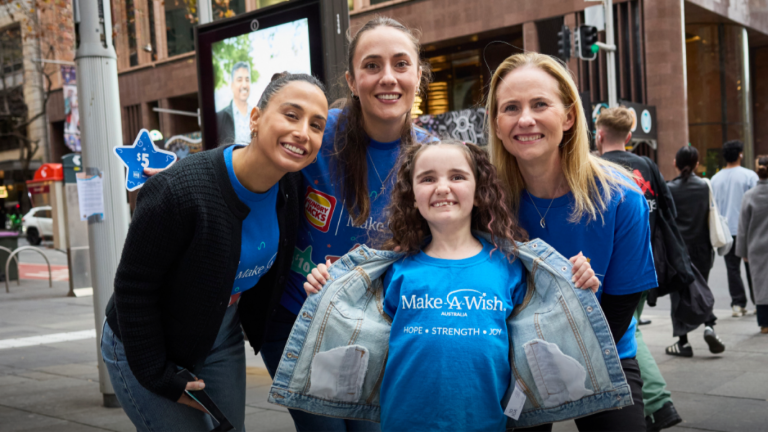
Hungry Jack’s has raised a record $2.805 million for Make-A-Wish Australia, marking its biggest annual fundraising result since the partnership began in 2017. The 2026 campaign saw 316,000 stars sold nationwide, with customers donating throughout June in-store, via drive-thru and through the Hungry Jack’s app. Hungry Jack’s suppliers also contributed more than $350,000 to the final tally. “The generosity shown by local communities and the dedicated Hungry Jack’s team throughout this campaign has been extraordinary,” said Make-A-Wish Australia CEO Sally Bateman. “The incredible amount raised helps us create unforgettable moments for wish children and their families, giving them hope and joy during some of the toughest times imaginable.” A major boost came from Double-Down Weekend, when Hungry Jack’s matched every donation made by customers, doubling the money raised during the fundraiser. The latest result takes the total raised through Hungry Jack’s for Make-A-Wish Australia to more than $13 million since 2017. “Every star sold and every dollar donated has gone toward something bigger than any of us,” said Hungry Jack’s CEO Chris Green. “Making a difference is core to who we are at Hungry Jack’s, and I couldn’t be prouder of our crew, suppliers, franchisees and customers for showing up in such a big way.” The funds will help Make-A-Wish continue granting wishes for critically ill children across Australia. “We have more than 900 children currently waiting for their wish to be granted, and this record-breaking donation means that we can continue bringing their wishes to life,” Bateman said. Recent studies suggest more than 18,000 Australian children are living with a critical illness. Australians can continue donating directly through Make-A-Wish Australia. Source: Wrights Communication Find more food and drink news on Crumb Wire.

Contact us

©2025- All Rights Reserved. Developed by Infutive Pvt. Ltd.