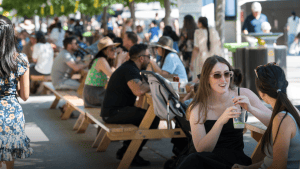
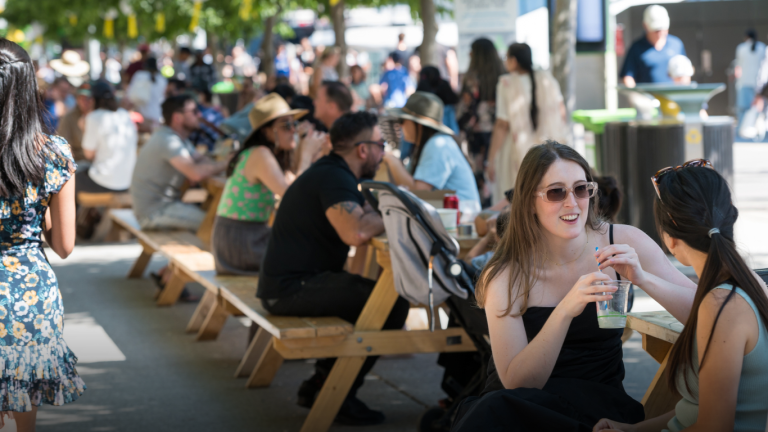
The Great Graze is returning to Barangaroo, bringing 25 food stalls, native ingredients, and a long communal table to the waterfront for the weekend. A new partnership with Aboriginal-owned hospitality business Indigiearth gives this year’s festival a stronger First Nations focus. Founder Sharon Winsor will curate a Native Food Market at Pier Pavilion, where Indigenous food businesses will sell ready-to-eat dishes and take-home products made with native ingredients. Director of retail and place at Lendlease, Monique de Cseuz, said, “Barangaroo continues to be a must-visit hospitality, arts and culture precinct, with an innovative and diverse program of activity throughout the year. “The Great Graze is a wonderful example of this, giving Sydneysiders and visitors alike the chance to explore our waterfront in a new way – through food and community. Events like this are central to what makes Barangaroo such a vibrant place to spend time.” Winsor’s own menu includes a crocodile roll with slow-cooked crocodile tail and finger lime, kangaroo and bush tomato mince served with guacamole, cheese, Kakadu plum and sea succulent corn chips, plus a bush tomato and vegetable dish with Kakadu plum salad and finger lime balsamic dressing. Native ingredients will also show up across the wider festival. Restaurants along Wulugul Walk have been asked to include at least one in their pop-up menus, with Belles Hot Chicken serving a sandwich with Kakadu plum glaze and waffles with native fruit syrup. Anason, Belles Hot Chicken, Gina, Lotus, Muum Maam and Zushi will all be trading along the foreshore, while a long communal picnic table will run through Wulugul Walk for anyone planning to make a meal of the circuit rather than stop at just one stall. Over at Waterman’s Cove, the line-up includes Anita Gelato, Annamese, Banksia Bakehouse, Bottega Coco, Devon Cafe, Mr Panino, Sweet Belem and Tea Republic. So far, the menu includes Annamese’s grilled chicken lemongrass skewer with hoisin, peanut and nuoc cham, Anita Gelato’s wattleseed crème brûlée ice cream and a strawberry cream cheese doughnut from Devon Cafe. There is also a sweet trail running through the precinct, with seven dessert retailers serving festival-only specials. Banksia Bakehouse is putting out a wattleseed and chocolate chip cookie and a crème brûlée Danish, while BROOKI, Rivareno Gelato, Yo-Chi, Bourke Street Bakery and Enze are also taking part. Pier Pavilion will double as the First Nations Hub, with products from Aboriginal businesses including Native Botanical Brewery, Ziggy’s Wild Foods, Southcoast Seaweed, Baagi Milaygin, Unexpected Guest, Lore Australia and Ngumpie Weaving. Barangaroo House will become the Barangaroo House Festival Bar for the weekend, adding an extended licensed area to the food markets, live music and family-friendly entertainment spread across the precinct. The Great Graze is free to enter and runs across Barangaroo on Saturday, October 17 and Sunday, October 18. The precinct is accessible by ferry and Metro, or around a five-minute walk from Wynyard Station. Source: The Cru Find more food and drink news on Crumb Wire.