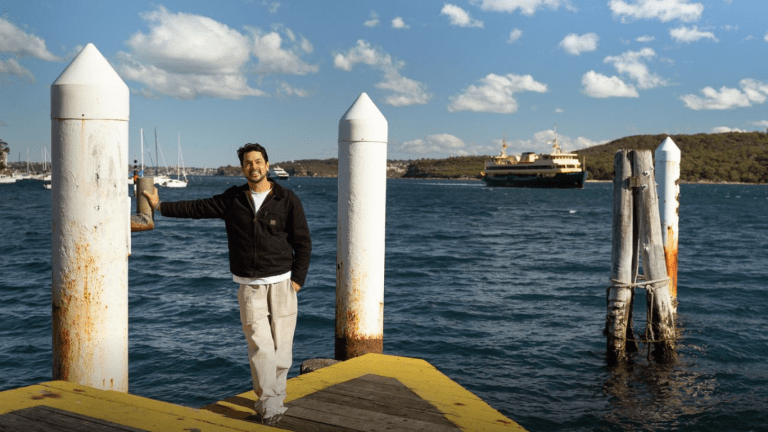
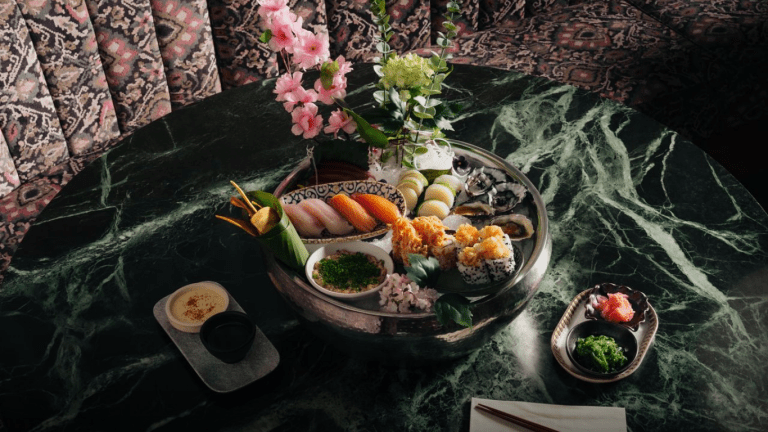
Australians may be dining out less often amid the current cost of living, but it would seem they have not stopped valuing the experience. MISC. Parramatta owner and H&R Block Australia’s SMB Ambassador, Jad Nehmetallah, says tighter household budgets have made diners more selective about where they spend their money and less willing to overlook an experience that falls short. Best known to many Australians from Gogglebox Australia, Nehmetallah has built a hospitality portfolio that includes the waterside Parramatta restaurant, with a second venue now on the way. “Going out for dinner has become less about doing it every week and more about making it count when they do. “If someone’s spending their hard-earned money, they want to leave feeling like it was worth it. That’s why hospitality has to deliver on every level, from the food and service through to the atmosphere. You can’t rely on people coming back out of habit anymore; you have to earn it every visit.” For diners, that means a meal out increasingly needs to justify the spend. For venue owners, it places more pressure on every part of the experience, including the decisions customers never see. Good food is only the baseline Nehmetallah believes diners now remember how a venue made them feel just as clearly as what arrived on the plate. “Great food is the baseline now, but they’re also looking for genuine hospitality, consistency and venues with personality. “Customers remember how a place made them feel just as much as what they ate. They want warm service, a welcoming atmosphere and an experience that feels authentic rather than manufactured.” Social media has also changed how customers discover restaurants, but a strong online presence will only carry a venue as far as the first visit. “People discover venues online, but they’ll only come back if the experience lives up to what they saw.” That demand for personality and connection can give independent venues an advantage over larger operators. Independent teams are often able to adapt quickly, build relationships with regulars and create experiences that reflect the communities around them. “People can tell when there’s real passion behind a venue. They’re supporting local businesses because they know there’s a person behind the counter who’s invested in making every service better than the last. “That authenticity is hard to replicate, and I think it’s one of the biggest strengths independent hospitality has.” Dining out has become more intentional COVID changed Australians’ relationship with dining out, according to Nehmetallah, making customers more deliberate about where they go and less forgiving when the experience does not match the price. Operators are balancing those expectations against rising costs, staffing challenges and changing consumer behaviour. “It’s a much tougher environment than it was a few years ago. That’s why running a venue today isn’t just about serving good food. It’s about making good business decisions across the board.” Those decisions can have a direct impact on the customer experience. Cash flow affects whether a venue can retain staff, invest in its menu and maintain the consistency diners increasingly expect. The future of hospitality As Nehmetallah prepares to open a second venue, he is also managing the less visible side of growth, including suppliers, staffing, compliance, tax and finances. “Getting the financial side right is just as important as getting the menu right,” he says. At MISC. Parramatta, one of the biggest lessons the team has learnt is that a single impressive meal is not enough to build lasting loyalty. “The biggest lesson has been that consistency builds trust. People don’t just come back because they had one great meal. They come back because they know what to expect every time they walk through the door.” Opening another venue has also shown Nehmetallah how quickly the number of decisions facing a small business can grow. “It’s easy to think you’ve got everything covered until you’re actually in it. Working alongside H&R Block has been a good reminder that ‘good enough’ isn’t always enough when it comes to those financial decisions. “Having the right advice gives you confidence to focus on growing the business rather than worrying about what’s been overlooked.” Despite the pressure facing the industry, Nehmetallah remains optimistic about the future of independent hospitality. He believes the venues most likely to thrive will be those that stay adaptable, understand their customers and pay close attention to the business beyond what happens on the floor. “Margins are tighter than they’ve ever been, so every decision matters. Whether it’s investing in the right people, improving the customer experience or making sure your finances are in order, those small decisions add up over time. or Nehmetallah, the venues that survive will be the ones that understand great hospitality may begin on the floor, but it has to be backed by a business built to last. Find more food and drink features on Crumb Wire.