



The Year of the Horse arrives on February 17, ushering in Lunar New Year celebrations across Australia’s Asian communities and beyond.
For Linh Trinh Nguyen, co-founder of Asian supermarket Gong Grocer, the first day of the lunar calendar still follows a non-negotiable rule. No matter how busy life in Australia gets, everyone comes home for dinner.
“I make sure that on the first day of the new year of the lunar calendar, everybody comes home for dinner. The whole family, no matter how busy they are,” says Nguyen.
“They always come home for dinner, and then I give them the traditional red bags to wish them a happy, healthy and lucky new year.”
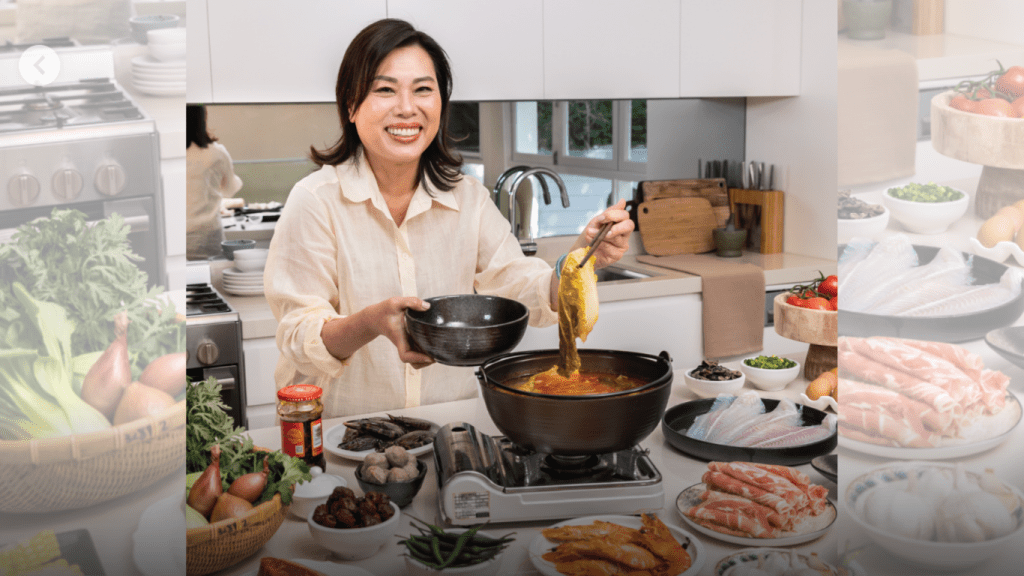
Affectionately known as “Linh Jie”, Nguyen is more than just the co-founder of Gong Grocer Asian Supermarket – she’s the matriarch of the operation. A proud Hainanese-Vietnamese immigrant, Linh has over 30 years of experience in the supermarket retail industry, stemming from her family’s legacy at Thai Kee.
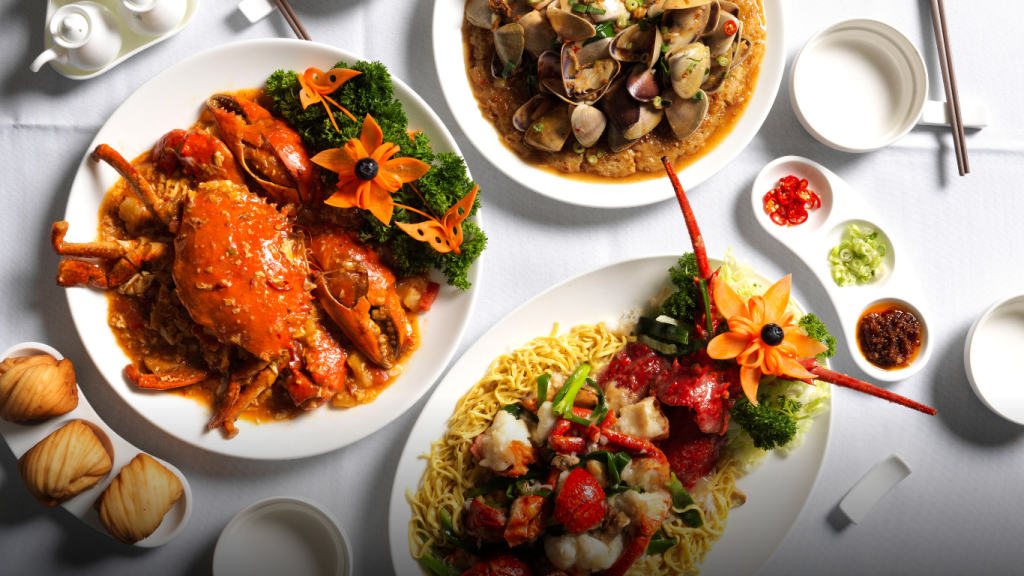
Having celebrated the festival in Vietnam, America and now Australia, Nguyen’s table looks much the same each year. A whole chicken symbolises health, while fish represents prosperity. Crispy spring rolls resemble gold bars, denoting wealth and sweet rice balls stand for unity.
Tradition, respect and evolution
Lunar New Year marks the beginning of the lunisolar calendar and is celebrated across many East and Southeast Asian cultures. While customs vary, food remains central to the festival’s symbolism and rituals.
This year, as the Year of the Horse begins, Nguyen says tradition itself does not change, but the way Australia celebrates continues to evolve.
“In recent years, the local celebrations have gotten bigger and bigger. I think locals have become increasingly exposed to and aware of the Lunar calendar and Lunar New Year. They’ve seen lion dancing and other performances, and even Chinatown has all the decorations now. People have definitely become more aware, which is good.”
Shopping lists meet symbolism
Through the aisles of Gong Grocer, Nguyen sees those traditions reflected in real time – Students stocking up on hot pot ingredients for shared dinners, older generations filling baskets with dumplings and rice balls that symbolise togetherness and shelves stacked with red-wrapped sweets and pastries, chosen as much for colour and meaning as for taste.
For many shoppers, fruit becomes just as symbolic as the main meal. Fruits are purchased not just for freshness but often for what their names suggest in different dialects.
“The pronunciation symbolises prosperity and having enough for the year. Apples are like that. The word for apple sounds like health, so we include them for that reason,” she explains.
There are a few superstitions that continue to guide what makes it into the trolley. Certain vegetables and foods are avoided at this time of year, while others are considered essential. The result is not just a festive meal but a table layered with intention.
New Year Newbies
Inside Gong Grocer, Nguyen notices a shift in who is shopping, including international students, young families and more non-Asian Australians picking up their first red envelopes or assembling a fruit basket after being invited to celebrate with friends.
For those celebrating with friends for the first time this year, Nguyen shares an easy tip that guarantees you’ll fit right in.
“Let’s say, if you’re Australian, and you get invited by an Asian family to spend the New Year together with them, always remember to bring, like, a fruit basket or a basket with symbolic Chinese New Year items wrapped in red cellophane wrap. It acts as a show of respect for the culture and tradition. Don’t forget to also wish them good luck for the new year.”
While Lunar New Year may look different in Sydney than it did over a decade ago in Vietnam, one thing remains fixed: On the first day of the lunar calendar, the table fills, the red envelopes come out and the year begins with family at its core.
Find more food and drink features on Crumb Wire.